

The 10-Minute Fitness Myth: Why Short Workouts Still Feel Hard
There’s a common belief floating around in the fitness world that shorter workouts are easier. After all, how hard can ten minutes really be? But if you’ve ever tried a quick, high-intensity session, you already know the truth—it can feel brutal. The idea that less time equals less effort is misleading. In reality, short workouts often pack more intensity into a smaller window, making them feel just as challenging, if not more so, than longer sessions.
Intensity Over Duration
The biggest reason 10-minute workouts feel tough is simple: intensity. When time is limited, workouts are designed to maximize effort in every second. There’s little room for rest, which means your body is constantly working. Instead of pacing yourself over an hour, you’re pushing closer to your limits almost immediately. That concentrated effort can make a short session feel surprisingly demanding.
Minimal Rest, Maximum Effort
In longer workouts, breaks are often built in, whether you realize it or not. You might pause between sets, slow down your pace, or take a breather without thinking twice. In a 10-minute routine, rest periods are either very short or completely absent. This lack of downtime keeps your heart rate elevated and your muscles under continuous strain, which adds to the overall difficulty.
Mental Pressure of the Clock

Knowing that you only have ten minutes can create a different kind of pressure. Instead of easing into a workout, you feel the need to go all-in right away. That mental urgency can make the experience feel more intense. You’re not just working against physical fatigue—you’re also racing the clock, which can amplify the challenge.
Full-Body Engagement
Short workouts often focus on compound movements that target multiple muscle groups at once. This approach is efficient, but it’s also demanding. Exercises like squats, push-ups, or burpees require coordination, strength, and endurance all at the same time. Because more of your body is involved, the effort feels greater, even in a shorter timeframe.
The Afterburn Effect

Another reason these workouts feel hard is what happens after you finish. High-intensity sessions can trigger what’s often called the “afterburn effect,” where your body continues to use energy even after the workout is over. While you might only be active for ten minutes, your body keeps working behind the scenes, which adds to the overall strain and recovery demands.
Expectations vs. Reality
Part of the challenge comes from expectation. If you go into a short workout thinking it will be easy, the intensity can catch you off guard. That mismatch between what you expect and what you experience can make the workout feel even tougher. Once you adjust your mindset and recognize that short doesn’t mean simple, the experience becomes easier to manage.
The idea that a 10-minute workout is a “quick and easy” option is more myth than reality. Short sessions are designed to be efficient, not effortless. By combining intensity, minimal rest, and full-body movements, they deliver a powerful challenge in a limited amount of time. The good news is that this intensity also makes them effective. So the next time a quick workout leaves you breathless, remember—it’s not because you’re out of shape, it’s because those ten minutes are doing exactly what they’re supposed to do.…
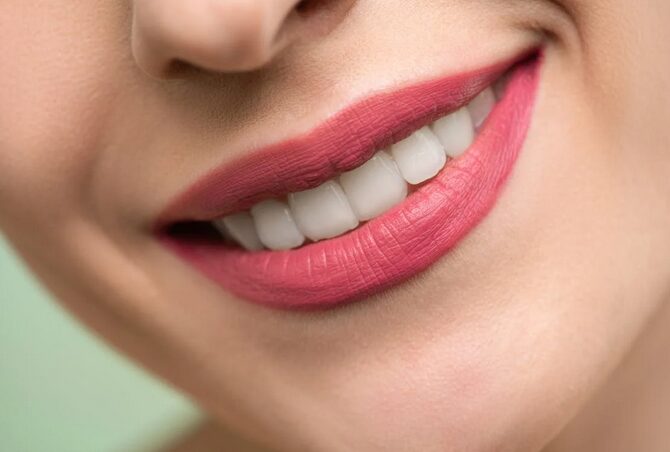




 Tooth decay is one of the most alarming consequences of tartar buildup. When plaque hardens into tartar, it becomes a playground for bacteria. These microorganisms feast on sugars from leftover food particles, producing acids that erode tooth enamel. As enamel weakens, cavities form. What starts as a minor issue can escalate quickly if ignored. Pain and sensitivity often follow but may go unnoticed until significant damage occurs.
 Tartar buildup creates a perfect environment for bacteria to thrive. When these bacteria invade the gums, they can lead to serious infections. This isn’t just a minor irritation; it’s your body signaling that something’s wrong. When gum infection occurs, you may experience swelling and redness. This inflammation is often accompanied by pain, making even simple tasks like eating difficult.



 Eating disorders like anorexia nervosa and bulimia can have severe consequences for oral health. Frequent vomiting associated with bulimia exposes teeth to stomach acid, leading to enamel erosion, tooth sensitivity, and an increased risk of cavities. Malnutrition resulting from restrictive eating behaviors can weaken the immune system, making the oral cavity more susceptible to infections and gum disease. A multidisciplinary approach involving medical, dental, and mental health professionals is crucial for addressing the underlying causes of eating disorders and providing comprehensive oral care.
 As mentioned above, obesity can increase your risk of developing chronic diseases such as heart disease, stroke, and cancer. Obesity is a significant risk factor for heart disease. According to the American Heart Association, obese adults are more likely to have high blood pressure, high cholesterol, and type II diabetes, which are major risk factors for heart disease. In addition, obese adults are also more likely to experience a heart attack or stroke.
 In addition to chronic diseases, obesity can also lead to other health problems, such as joint pain, diabetes, and respiratory problems. Joint pain is a common problem for obese adults. The excess weight strains the joints, leading to pain and stiffness. It is a significant risk factor for osteoarthritis, a condition that affects the joints.
 Finally, obesity can also have a negative impact on emotional health. Obese adults are more likely to suffer from depression and anxiety. They may also have trouble sleeping, which can further contribute to feelings of depression and anxiety. In addition, obese adults may feel isolated and discriminated against. It can lead to low self-esteem and body image issues.
 Greek yogurt is also a good probiotics, beneficial bacteria essential for gut health. Probiotics help keep your digestive system healthy and functioning correctly, and they can also help reduce the risk of developing diseases like irritable bowel syndrome (IBS) and constipation.
 Greek yogurt is not just great for your body. It is also great for your mind. This delicious dairy product is high in omega-three fatty acids, essential for cognitive function and mental health. Moreover, Greek yogurt is a good source of protein, which can help boost mood and reduce stress levels.