

The 10-Minute Fitness Myth: Why Short Workouts Still Feel Hard
There’s a common belief floating around in the fitness world that shorter workouts are easier. After all, how hard can ten minutes really be? But if you’ve ever tried a quick, high-intensity session, you already know the truth—it can feel brutal. The idea that less time equals less effort is misleading. In reality, short workouts often pack more intensity into a smaller window, making them feel just as challenging, if not more so, than longer sessions.
Intensity Over Duration
The biggest reason 10-minute workouts feel tough is simple: intensity. When time is limited, workouts are designed to maximize effort in every second. There’s little room for rest, which means your body is constantly working. Instead of pacing yourself over an hour, you’re pushing closer to your limits almost immediately. That concentrated effort can make a short session feel surprisingly demanding.
Minimal Rest, Maximum Effort
In longer workouts, breaks are often built in, whether you realize it or not. You might pause between sets, slow down your pace, or take a breather without thinking twice. In a 10-minute routine, rest periods are either very short or completely absent. This lack of downtime keeps your heart rate elevated and your muscles under continuous strain, which adds to the overall difficulty.
Mental Pressure of the Clock

Knowing that you only have ten minutes can create a different kind of pressure. Instead of easing into a workout, you feel the need to go all-in right away. That mental urgency can make the experience feel more intense. You’re not just working against physical fatigue—you’re also racing the clock, which can amplify the challenge.
Full-Body Engagement
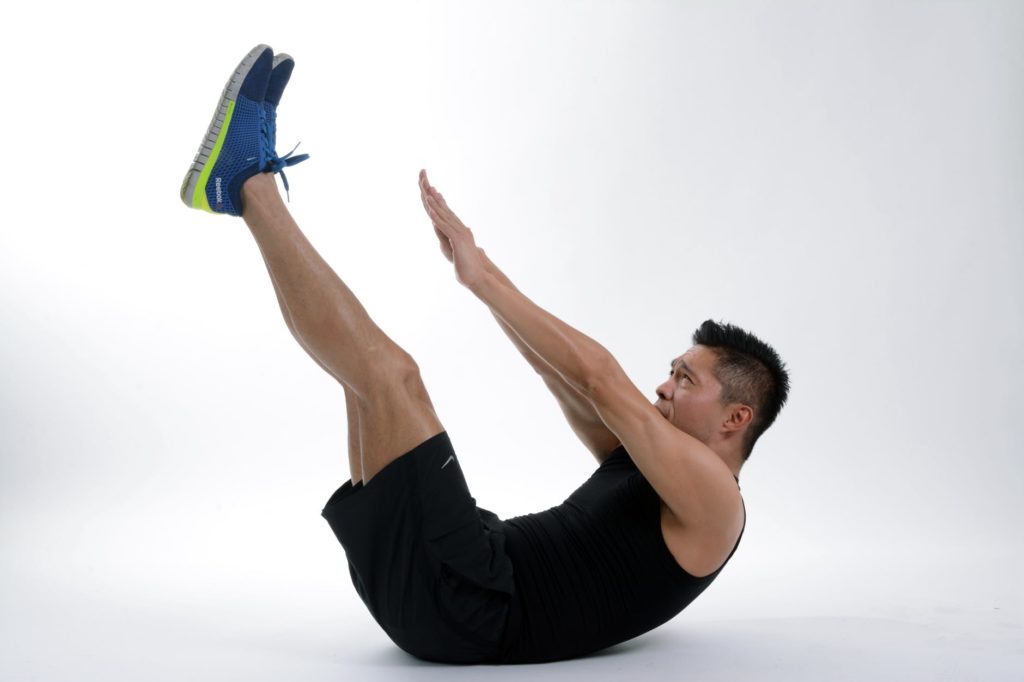
Short workouts often focus on compound movements that target multiple muscle groups at once. This approach is efficient, but it’s also demanding. Exercises like squats, push-ups, or burpees require coordination, strength, and endurance all at the same time. Because more of your body is involved, the effort feels greater, even in a shorter timeframe.
The Afterburn Effect
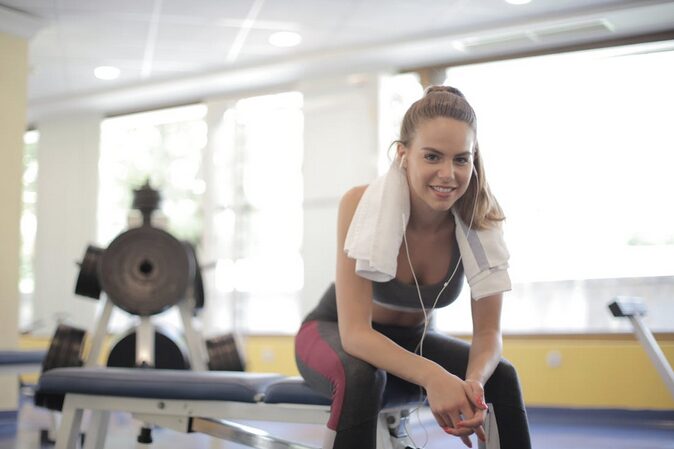
Another reason these workouts feel hard is what happens after you finish. High-intensity sessions can trigger what’s often called the “afterburn effect,” where your body continues to use energy even after the workout is over. While you might only be active for ten minutes, your body keeps working behind the scenes, which adds to the overall strain and recovery demands.
Expectations vs. Reality
Part of the challenge comes from expectation. If you go into a short workout thinking it will be easy, the intensity can catch you off guard. That mismatch between what you expect and what you experience can make the workout feel even tougher. Once you adjust your mindset and recognize that short doesn’t mean simple, the experience becomes easier to manage.
The idea that a 10-minute workout is a “quick and easy” option is more myth than reality. Short sessions are designed to be efficient, not effortless. By combining intensity, minimal rest, and full-body movements, they deliver a powerful challenge in a limited amount of time. The good news is that this intensity also makes them effective. So the next time a quick workout leaves you breathless, remember—it’s not because you’re out of shape, it’s because those ten minutes are doing exactly what they’re supposed to do.…
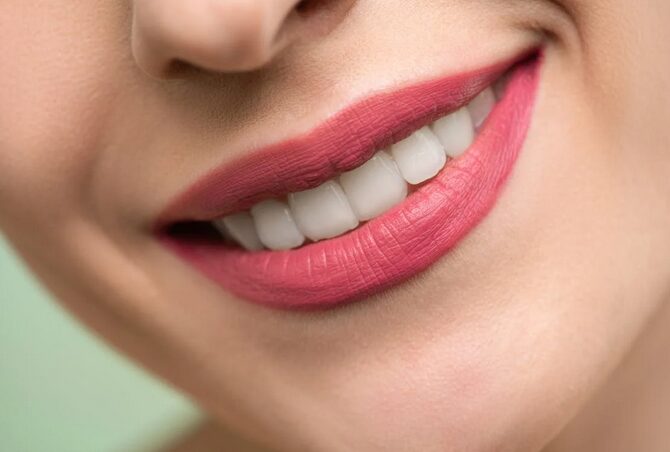



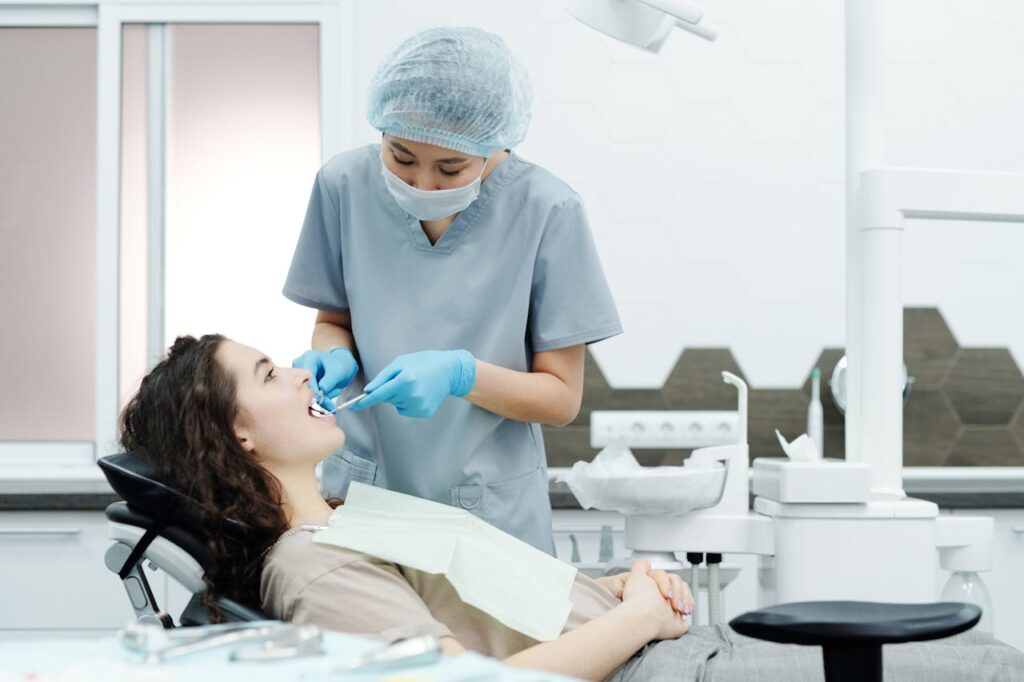
 Tooth decay is one of the most alarming consequences of tartar buildup. When plaque hardens into tartar, it becomes a playground for bacteria. These microorganisms feast on sugars from leftover food particles, producing acids that erode tooth enamel. As enamel weakens, cavities form. What starts as a minor issue can escalate quickly if ignored. Pain and sensitivity often follow but may go unnoticed until significant damage occurs.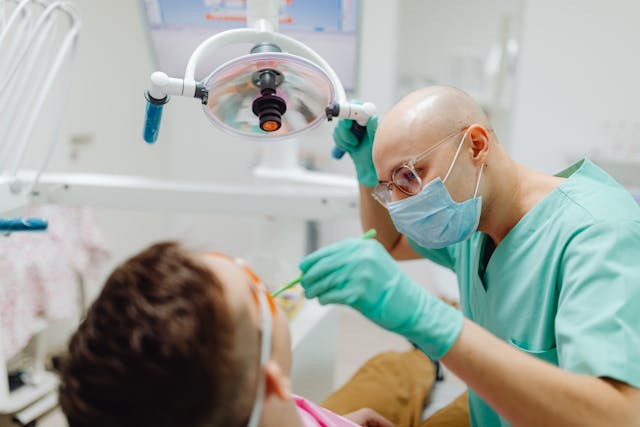
 Tartar buildup creates a perfect environment for bacteria to thrive. When these bacteria invade the gums, they can lead to serious infections. This isn’t just a minor irritation; it’s your body signaling that something’s wrong. When gum infection occurs, you may experience swelling and redness. This inflammation is often accompanied by pain, making even simple tasks like eating difficult.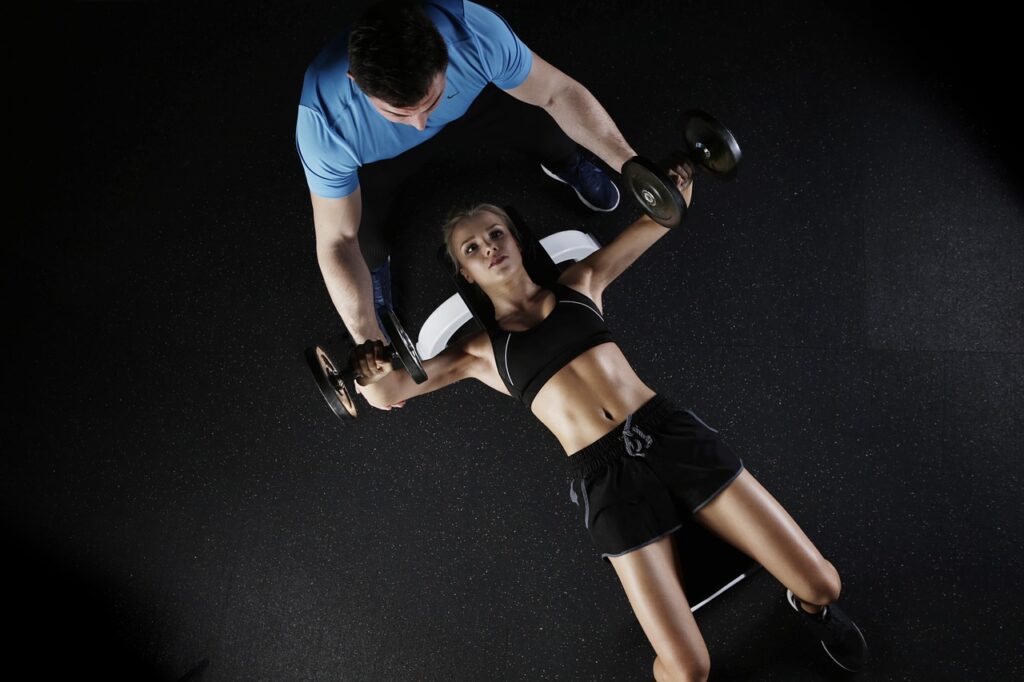
 Finding a workout you truly enjoy is like discovering a hidden gem. It can make all the difference in your motivation levels. How? Think about activities that spark joy for you. Is it dancing, hiking, or perhaps kickboxing? The key is to try different workouts until something clicks. Join a class you’ve never considered or explore outdoor adventures like rock climbing or cycling.
 Finding like-minded individuals can significantly enhance your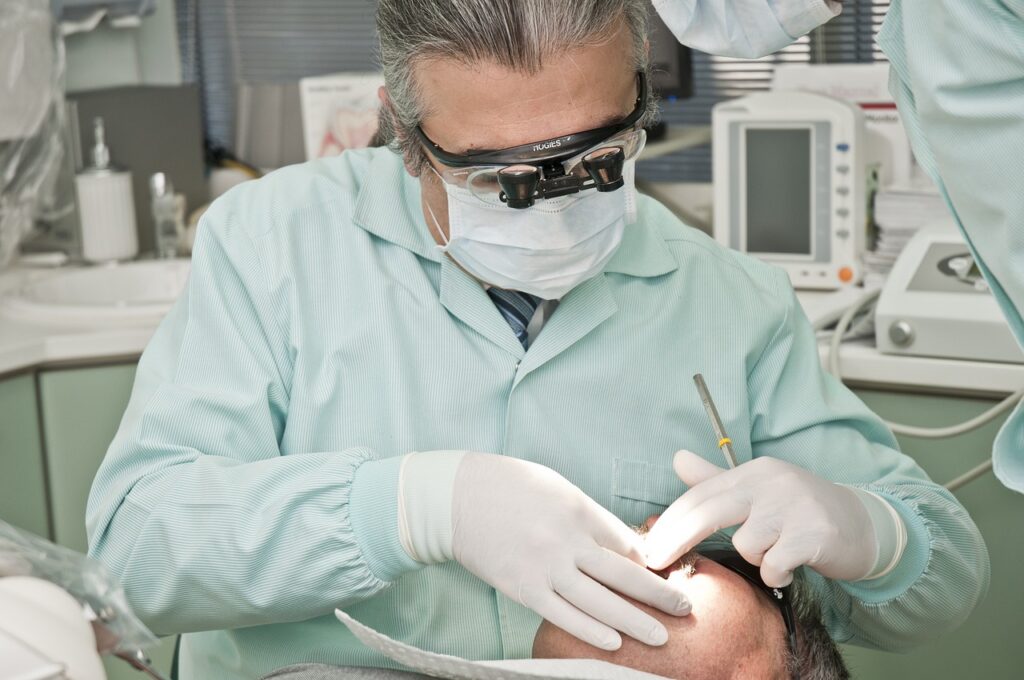
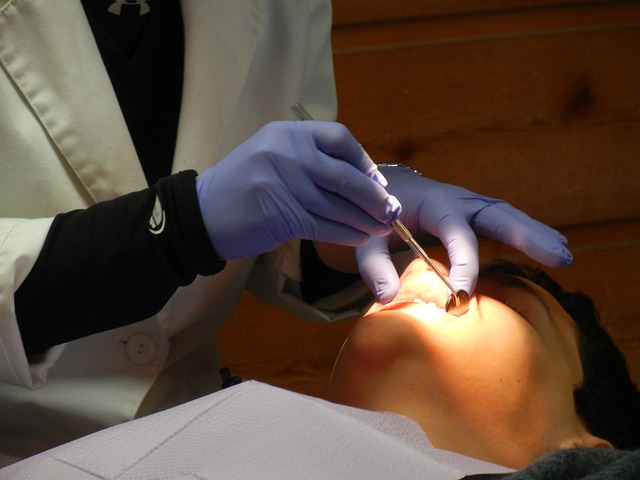
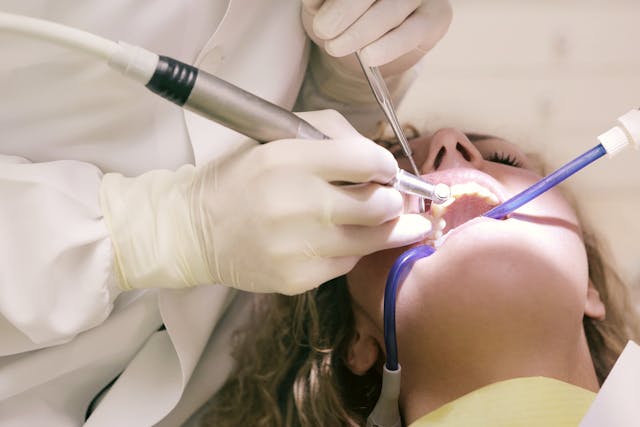
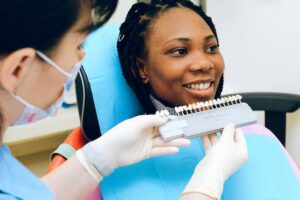 Dental implants are widely regarded as the gold standard solution for missing teeth, providing a natural-looking and permanent replacement. This surgical procedure involves the placement of titanium posts into the jawbone, which acts as roots for the replacement teeth. The prosthetic teeth are then securely attached to these implants, ensuring stability and durability.



 Eating disorders like anorexia nervosa and bulimia can have severe consequences for oral health. Frequent vomiting associated with bulimia exposes teeth to stomach acid, leading to enamel erosion, tooth sensitivity, and an increased risk of cavities. Malnutrition resulting from restrictive eating behaviors can weaken the immune system, making the oral cavity more susceptible to infections and gum disease. A multidisciplinary approach involving medical, dental, and mental health professionals is crucial for addressing the underlying causes of eating disorders and providing comprehensive oral care.
 Developing new regulations in medical care often involves conflict between those who provide healthcare services and those responsible for setting the rules and regulations. This conflict is further compounded by insurance companies that set reimbursement rates, as well as legislators who pass laws that affect medical providers.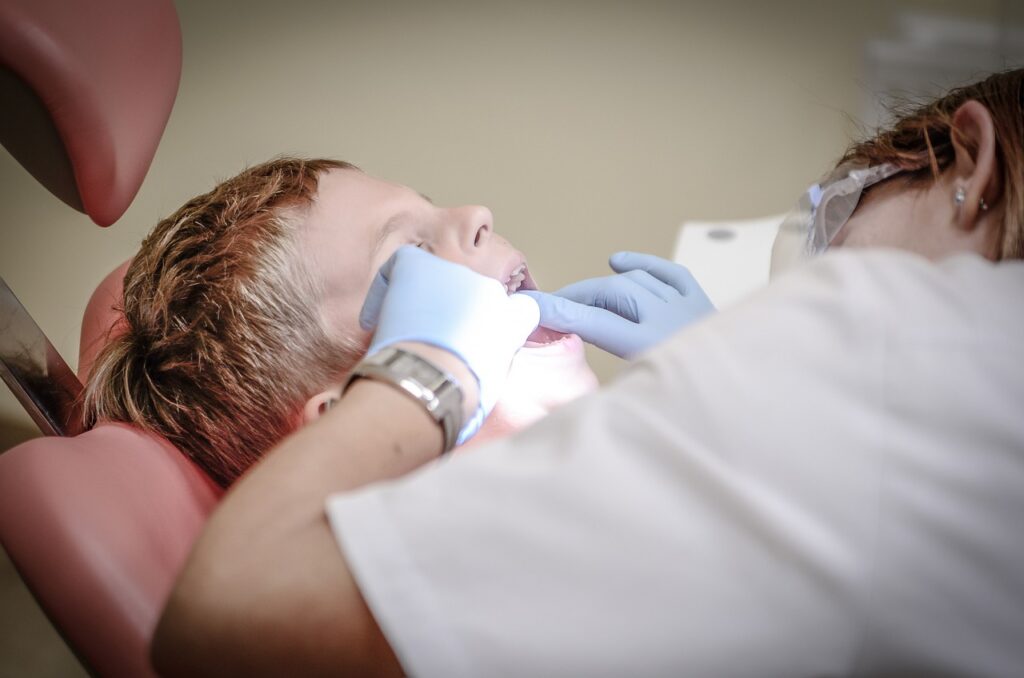
 First off, let’s talk about why your kids may need dental sealants. Generally speaking, sealants are thin plastic coatings that your dentist applies to the surface of your teeth to keep out bacteria and other debris. The sealant will stay on the teeth for several years, providing a shield against decay-causing substances like sugar and saliva.
 Though dental sealants are generally considered safe for kids, there is still a chance that your kid may experience some minor side effects. The most common side effects include sensitivity to cold and pressure, irritation of the gums, or an allergic reaction to the sealant material. If your child experiences any of these symptoms after getting a dental sealant, bringing them back in for a follow-up visit with their dentist is essential.
 The first way to make sure that you have fresh breath is to visit the dentist regularly. Your dentist will be able to identify any underlying issues causing your bad breath and provide treatment or advice on how to prevent it. Commonly, tooth decay or gum disease can cause bad breath. You must take the necessary steps to address these problems, as they can worsen over time.
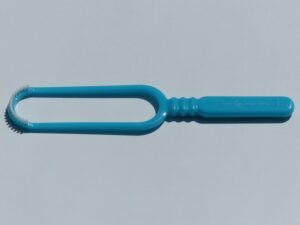 The fourth way to prevent bad breath is to scrape your tongue. You should do this every morning after you brush and floss your teeth. A spoon or a tongue scraper can be used to scrape away bacteria that accumulate on the tongue gently. This will help reduce the odor-causing bacteria in your mouth. The back of your tongue is where most of the bacteria accumulate, so make sure to pay special attention when scraping the tongue.
 As mentioned above, obesity can increase your risk of developing chronic diseases such as heart disease, stroke, and cancer. Obesity is a significant risk factor for heart disease. According to the American Heart Association, obese adults are more likely to have high blood pressure, high cholesterol, and type II diabetes, which are major risk factors for heart disease. In addition, obese adults are also more likely to experience a heart attack or stroke.
 In addition to chronic diseases, obesity can also lead to other health problems, such as joint pain, diabetes, and respiratory problems. Joint pain is a common problem for obese adults. The excess weight strains the joints, leading to pain and stiffness. It is a significant risk factor for osteoarthritis, a condition that affects the joints.
 Finally, obesity can also have a negative impact on emotional health. Obese adults are more likely to suffer from depression and anxiety. They may also have trouble sleeping, which can further contribute to feelings of depression and anxiety. In addition, obese adults may feel isolated and discriminated against. It can lead to low self-esteem and body image issues.
 Greek yogurt is also a good probiotics, beneficial bacteria essential for gut health. Probiotics help keep your digestive system healthy and functioning correctly, and they can also help reduce the risk of developing diseases like irritable bowel syndrome (IBS) and constipation.
 Greek yogurt is not just great for your body. It is also great for your mind. This delicious dairy product is high in omega-three fatty acids, essential for cognitive function and mental health. Moreover, Greek yogurt is a good source of protein, which can help boost mood and reduce stress levels.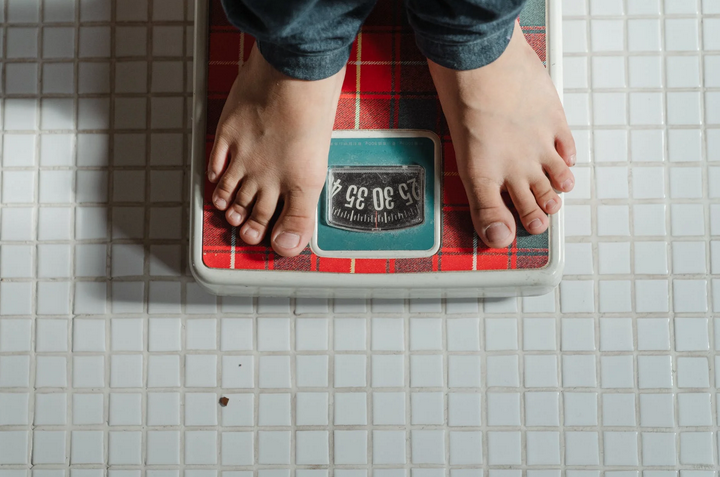

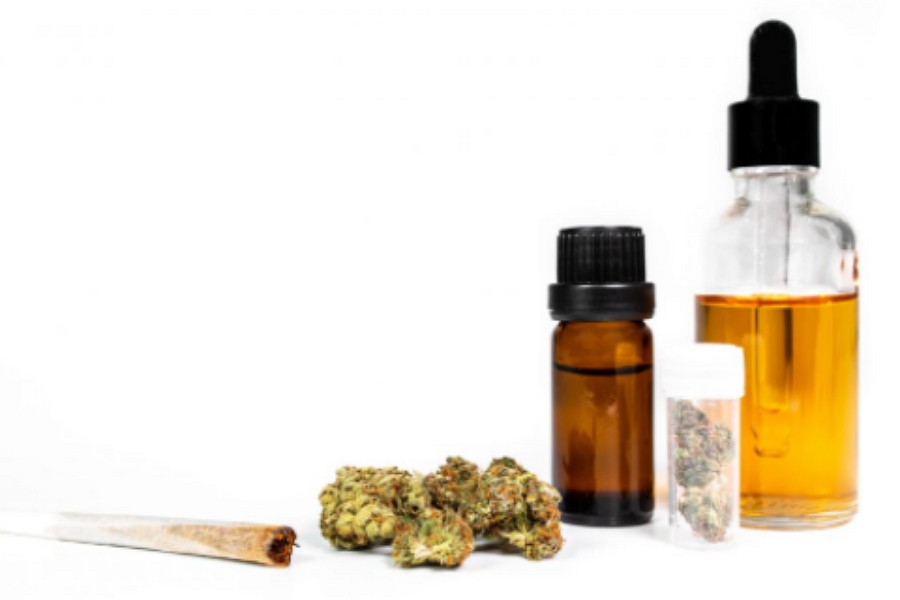
 You should note that CBD oil can be extracted from cannabis in a range of ways. However, some methods have harsh chemicals that can negatively affect your health. The method used is effective on the overall quality and safety of CBD oil. It is advisable to consider CBD oils extracted by the use of carbon dioxide.
 CBD oil can be classified into different categories. For instance, it can be classified into broad-spectrum or isolate. You can find different
  here is a need to consider the reputation of the CBD oil brand. In this case, you need to check whether they are transparent on the methods of extraction, source of hemp, and ingredients. Moreover, you should check whether they have reliable customer service.
 The money you will spend is something you should consider before getting any surgery. The surgeon you consult with should be in a position to give you an estimate of how much you will be spending for the procedure. There is the anesthesia, the hospital and surgical bill, laboratory, and even the pharmacy bill to incorporate. You should consult with your insurance company to figure how much they will chip in, which in turn allows you to know how much you need to set aside on your own.
 Patients undergoing surgery, it being a delicate matter, have the right to demand the best care during their stay at the hospital. The patients are within their rights to expect high levels of care and the receiving of respect and dignity. The care given to the patient should be per the laws supporting patient treatment when in hospitals.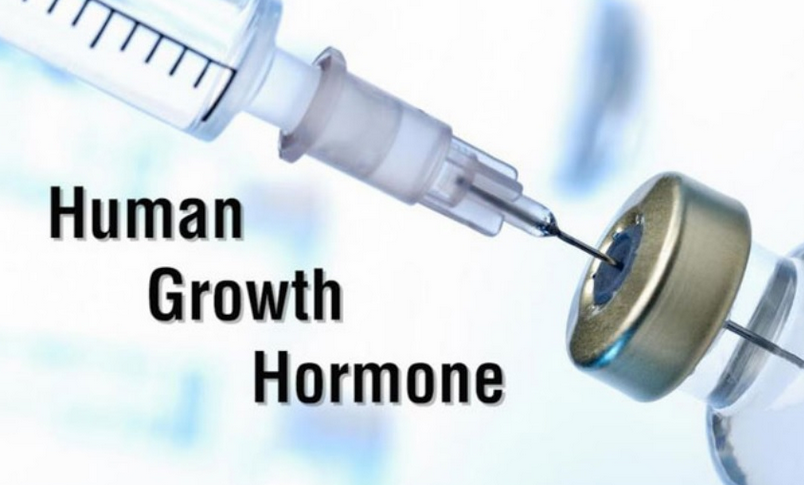
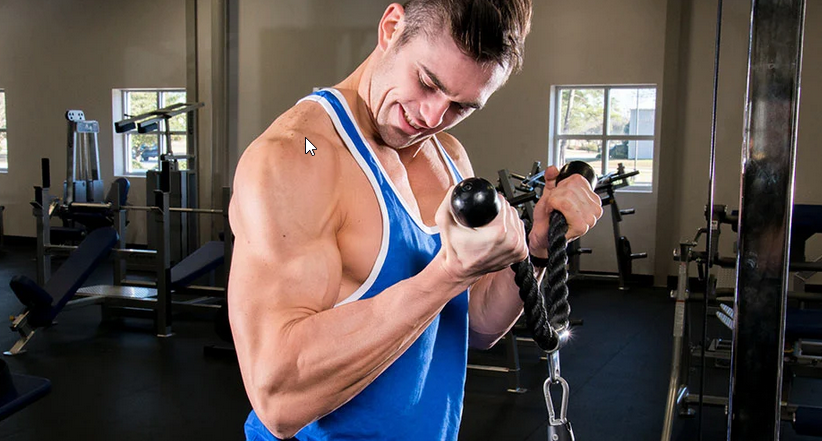 Human growth hormones are essential for tissue regeneration and in increase the process of bone healing. It is easier to heal your bones after fracturing your bones and will enable you to heal easily. The pituitary gland is responsible for regulating the growth of your bones and increases the production of the human growth hormone in the body. As you continue to age, the pituitary gland produces inadequate amount of growth hormone that slows down the process of bone regeneration.
 If you use growth hormone with the right amount of servings then you will get the desired results. They are effective in increasing the rate of growth of muscles in the body. There is increased synthesis of collagen tissues in both your muscles and tendons. Gym enthusiasts who worked out using growth hormones will build more muscles than the ones that do not.
 People who have insufficient human growth hormones in their body have problems with their moods and are advised to take enough supplement to help them. The pituitary gland stimulates the growth hormone and people who have frequent insomnia have bad moods during the day. If you lack enough sleep then you will result in decreased levels in the body and suffer from mood swings.
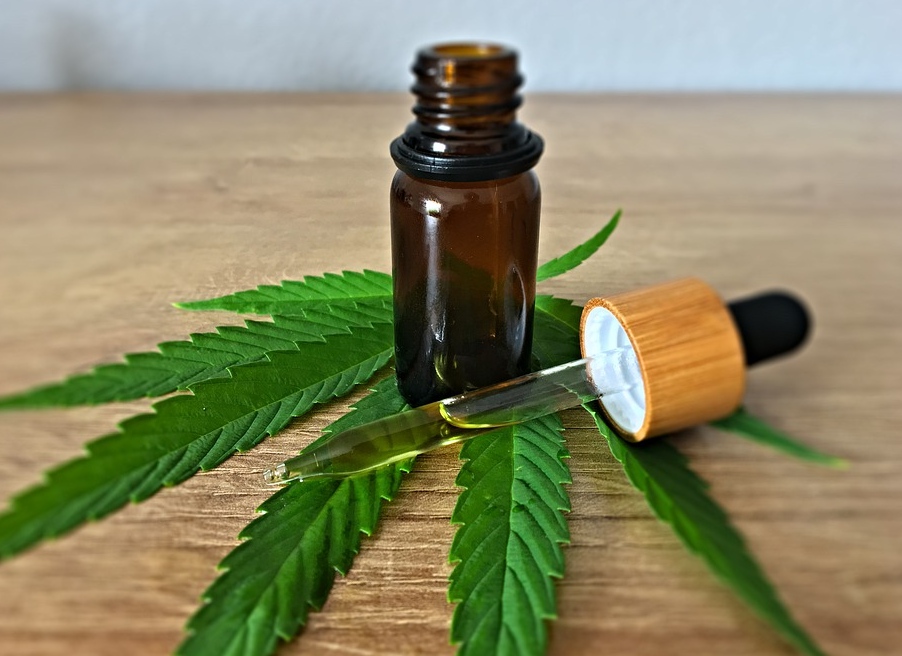 It is essential to note that CBF can be extracted from hemp and the marijuana plant. Though there are some countries and states that allow the use of marijuana, most have legalized hemp. This factor has led many to use CBD from hemp.
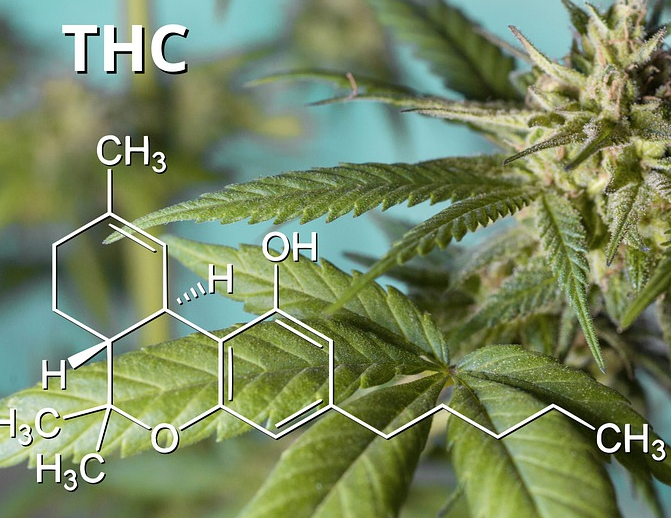 The next important factor you should consider before buying a CBD oil is the THC level in the products. Many people dislike marijuana because of the psychoactive effects of THC. On the other hand, many love CBD because it is not psychoactive.
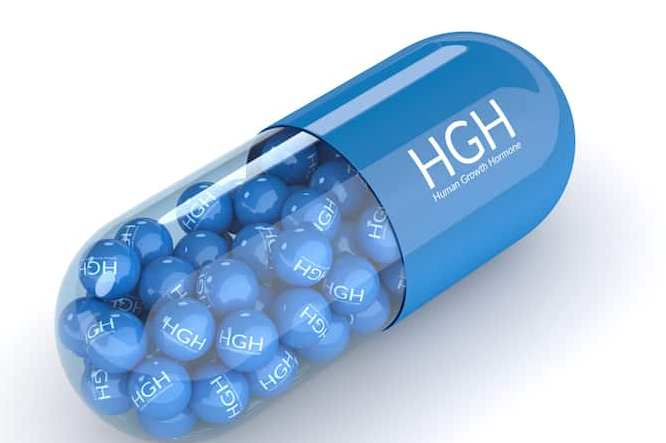
 What do you need the human growth hormone booster pills for? Some people want them for height and others to gain muscle mass. There are many varying needs, and the good thing is that there are multiple types of these pills that serve different purposes. Most vitamin pills are for growth in height, while protein pills are for muscle mass and increasing weight. You need to know what kind of growth you want for you to pick the right HGH pills.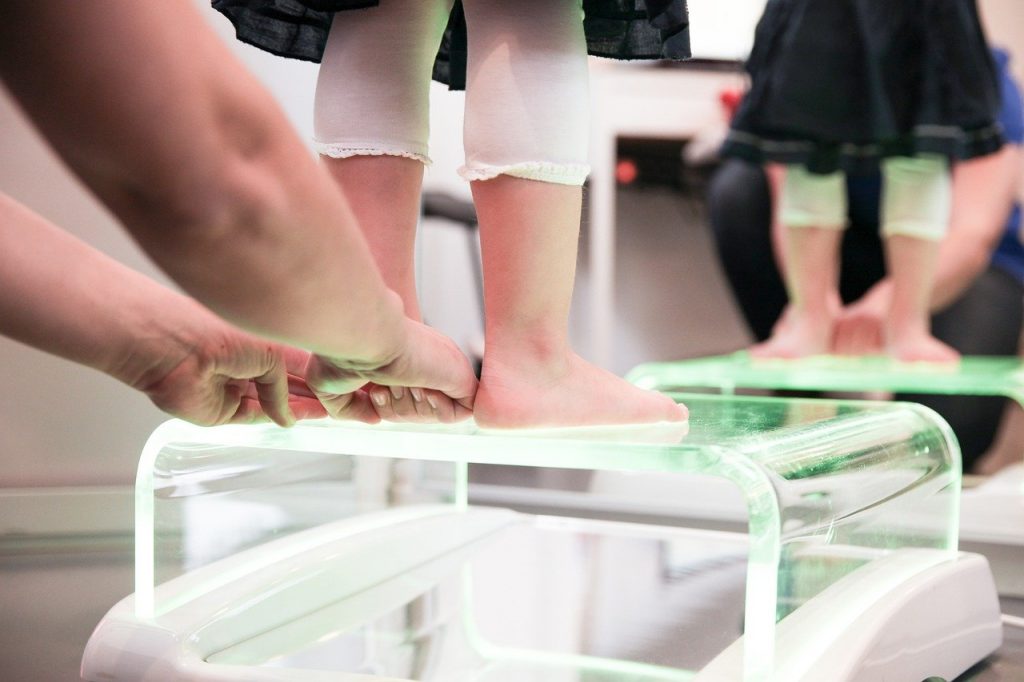
 Entering college is a whole new experience for freshmen students. This can be the first time to be away from their parents. To some some of them, the experience can be so overwhelming. This can lead to stress. School requirements can also be tough, from quizzes to long exams and assignments. Students may spend time worrying a lot if they will pass or not. A kinesiologist will let students relax their minds and help them get good grades by enhancing their focus and concentration.


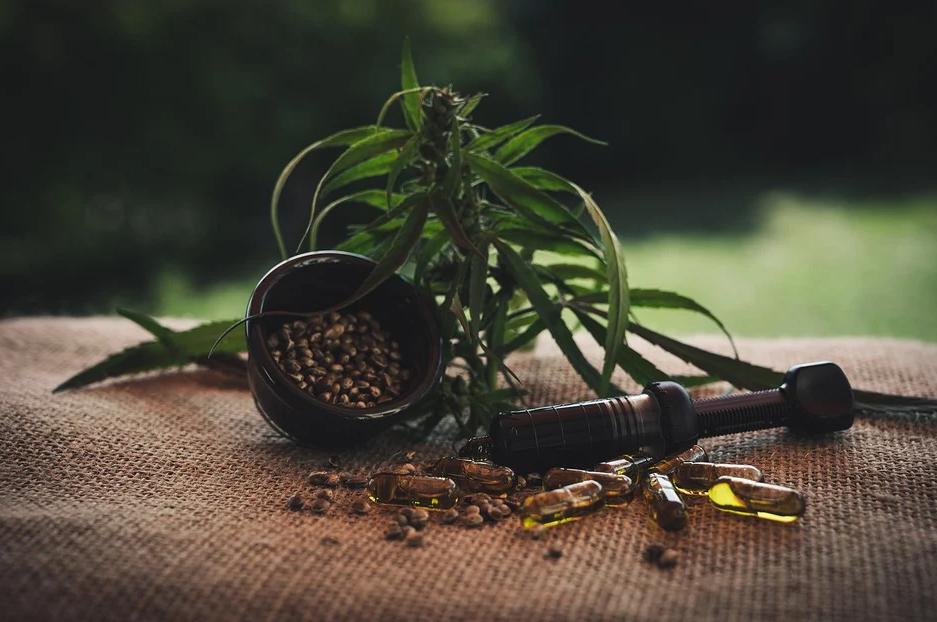
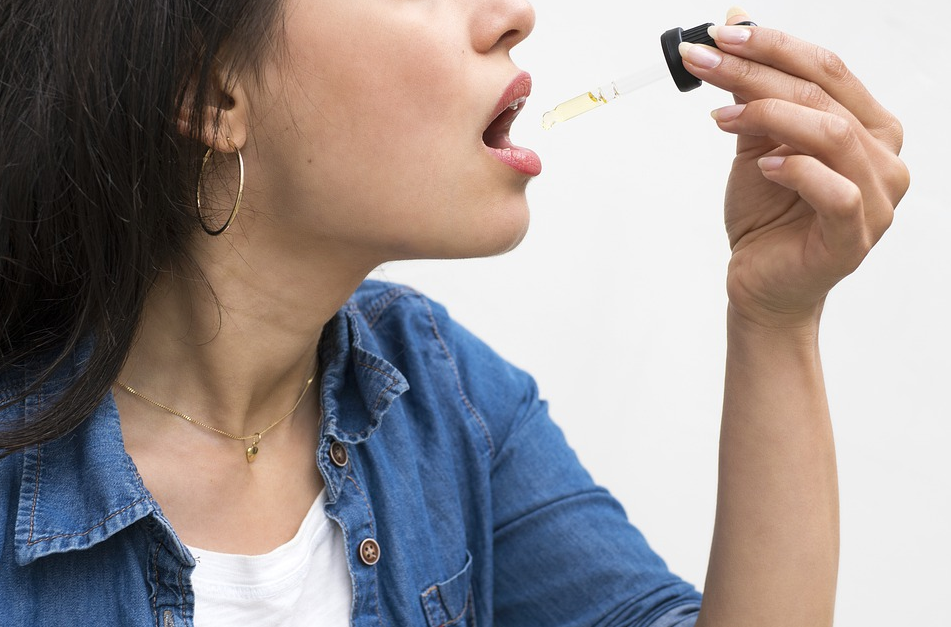 Cannabis use has been quite controversial to many in society; this is mainly because of the effects of using marijuana. Though CBD and THC are found in the cannabis plant, they tend to affect the body differently. THC has psychoactive effects on those who use it; this creates the high feeling that marijuana users get. On the other hand, CBD does not have any psychoactive effects on those who use it. Some have claimed that it has anti-psychoactive properties.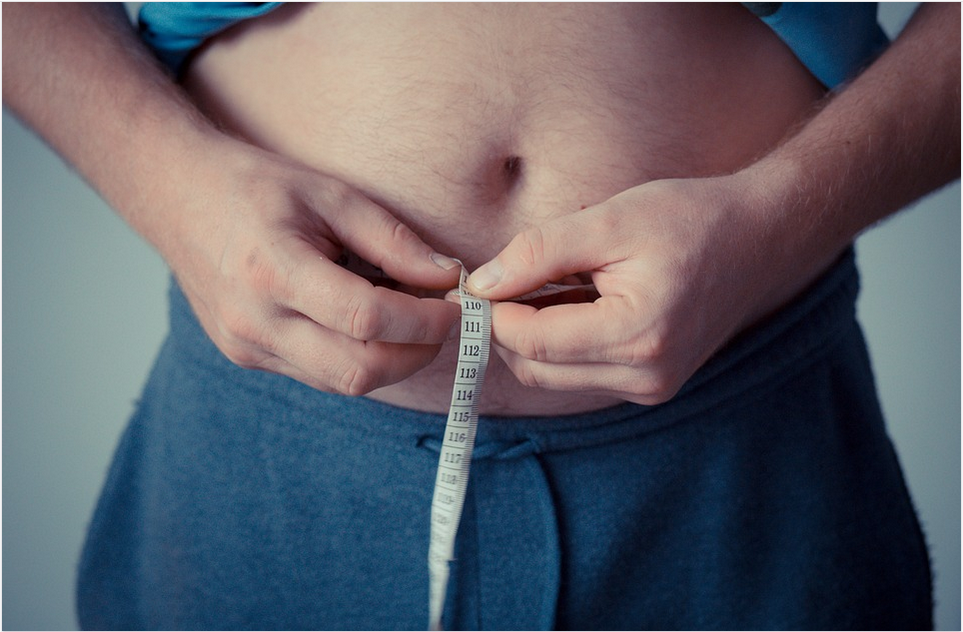
 We have always been told to make make sure that we drink at least eight glasses of water in a day. We know how important water is for many bodily functions, but what you might not know is that water can assist with weight loss.
 Eggs are not only loaded with proteins, but they are also very crucial when it comes to weight loss. Although we usually like to have a largely grain-based breakfast, if you can substitute that with eggs, you can reduce your daily calorie intake.
 One of the things that make green tea very popular is because it helps people lose some weight. The tea is rich in strong antioxidants, commonly referred to as catechins.
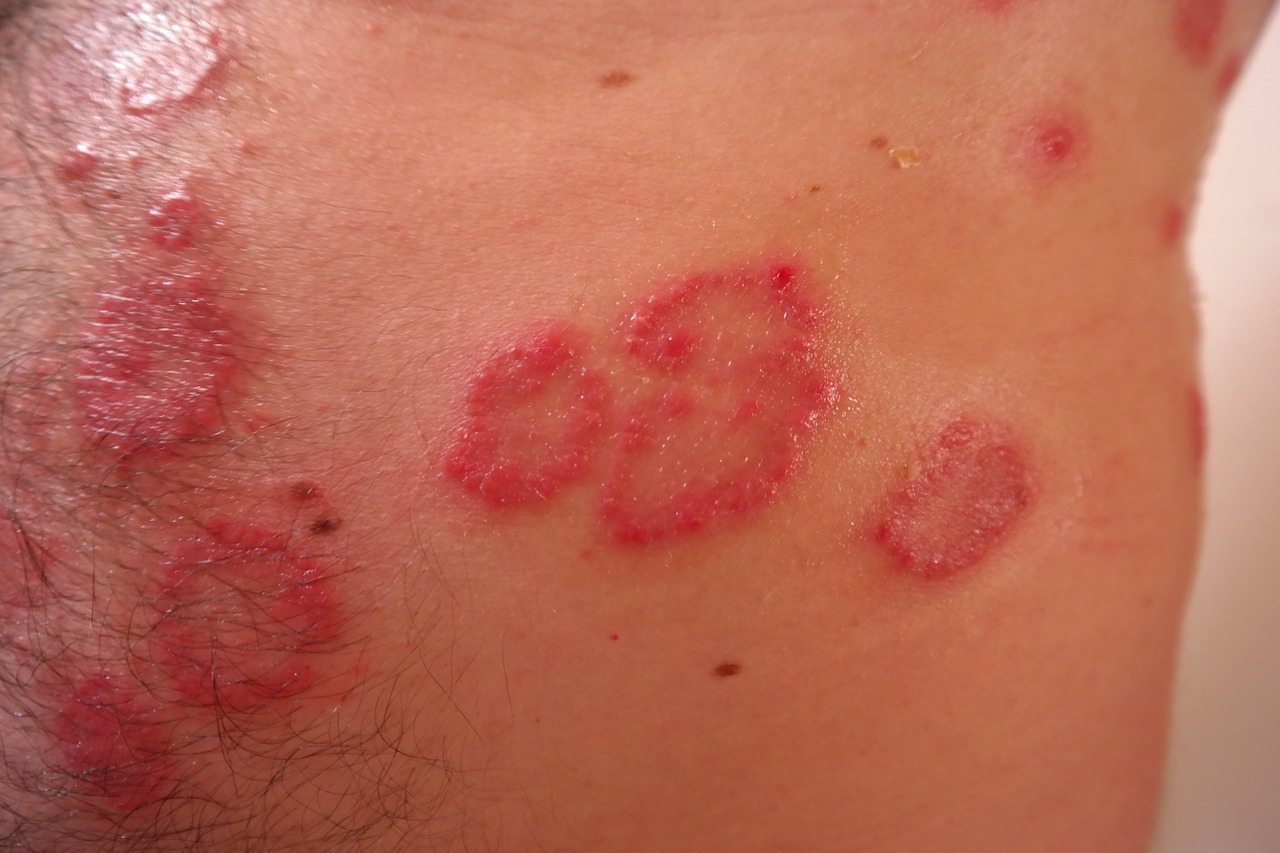
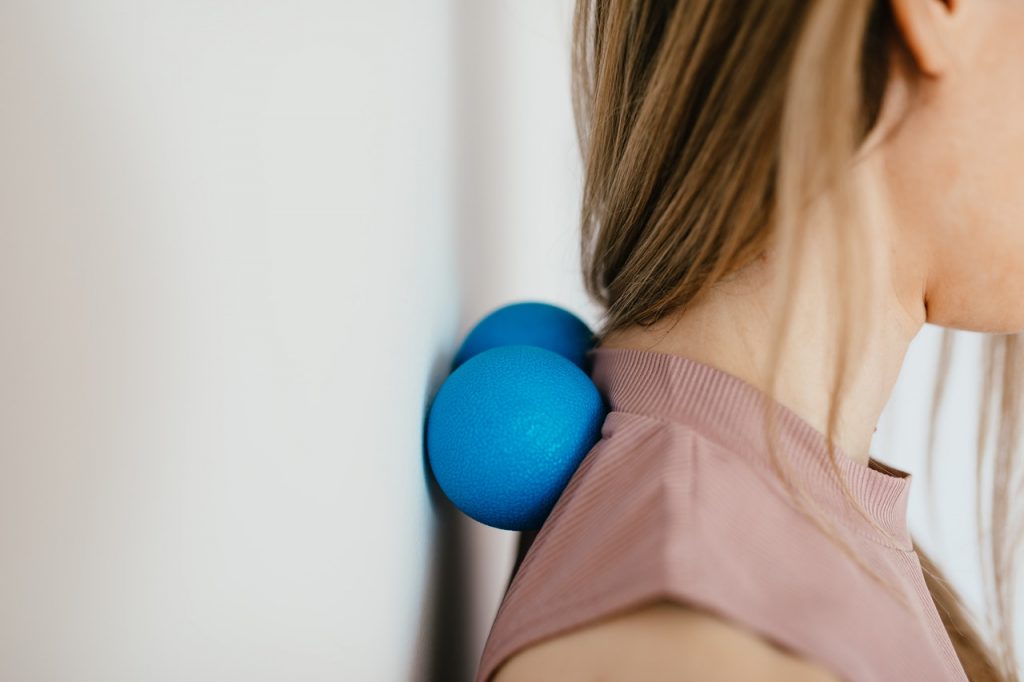
 Sitting at a computer at a position tightens your buttocks. At the seated position, you are shutting down the angle between the thigh bone and your stomach and back, according to experts. The important thing here is to move your body and keep your posture. Just take a break to get a hip flexor stretch, he urges. Put a variety of movement by walking around and stretching your hips, which will activate the glute muscles and extend the hips. You can repeat this process as often as needed to stretch your muscles and prevent tightening, causing body pains in the latter part.
 There is a fantastic chance it causes hardness and stiffness in your back, neck, and shoulders if anxiety is widespread during your day. Altering your breathing patterns is essential to opening up these regions, according to experts. What happens is that rather than using your diaphragm to breathe, you wind up using muscles to exhale and inhale, situated in the throat and rib cage. Focus rather on diaphragmatic breathing — slow, profound, longer stomach breaths. You ought to be able to feel out your tummy go as you breathe and drop as you breathe out.
 A
A 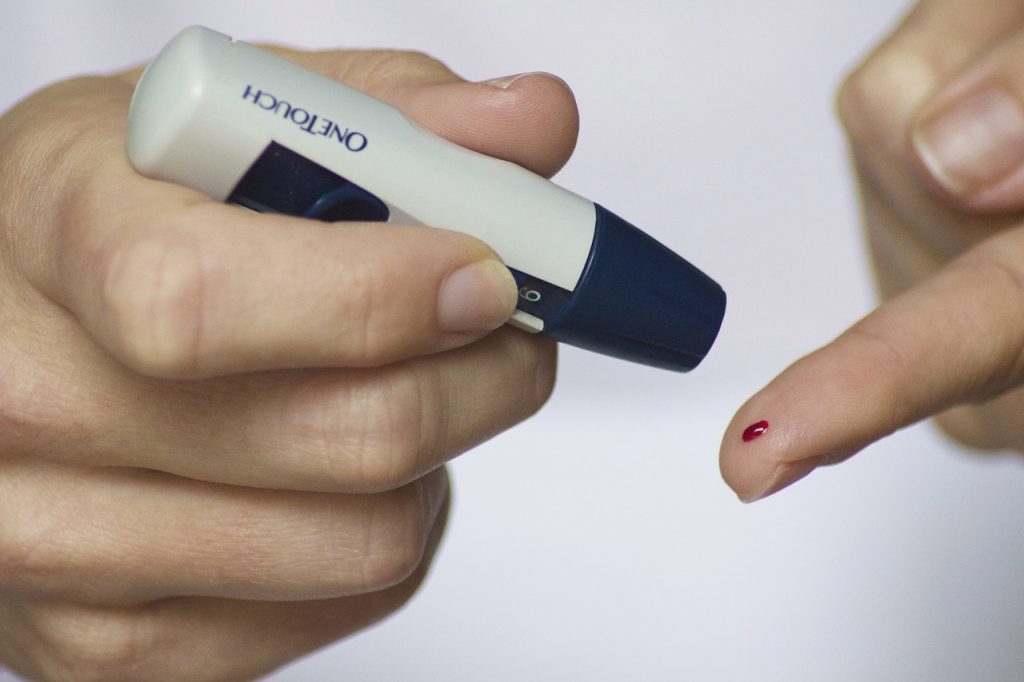
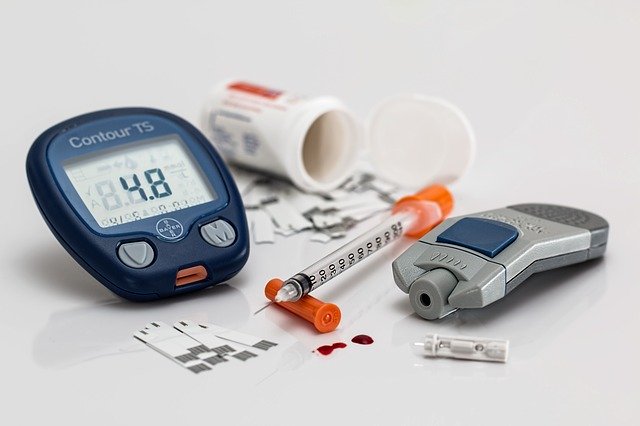 When Test Strips Don’t Match the Glucometer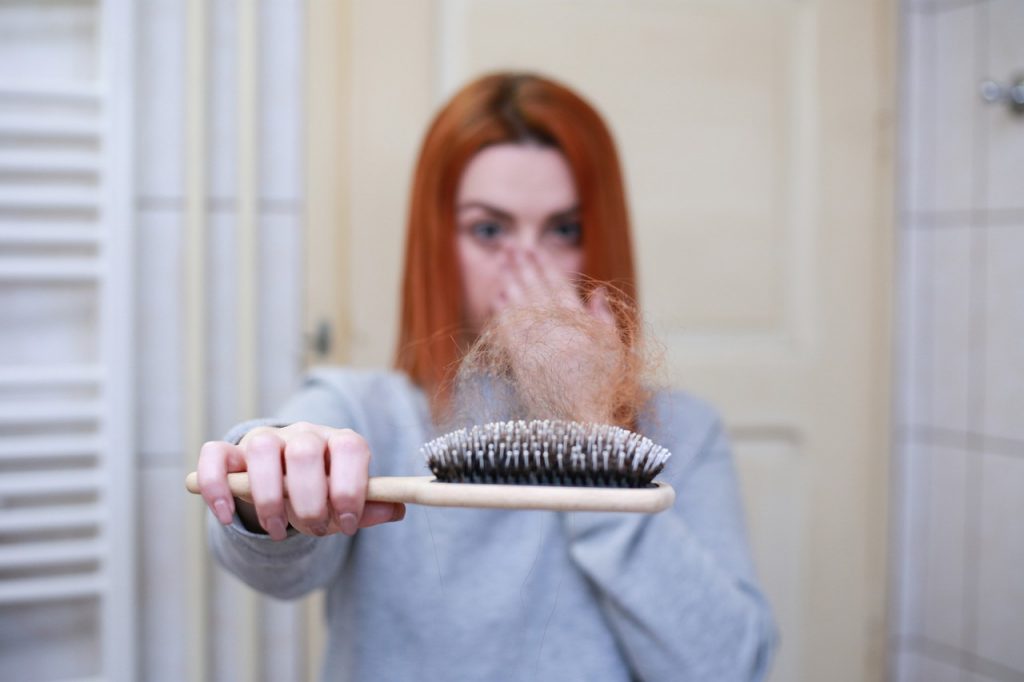
 Shampoos should not only make the hair healthier to look at by washing and cleaning off sebum and other dirt. It should have nutrients for the scalp where hair follicles are deep-rooted. This means that shampoo should be good for both scalp and hair. Shampoos with potent ingredients may be excellent in getting rid of sebum and dirt, but it can irritate the scalp. Scalp irritation can result in infection, which can cause thinning of hair that makes them easy to break. Scratching of the irritated scalp can also cause hair to fall.
 It Rebuilds Confidence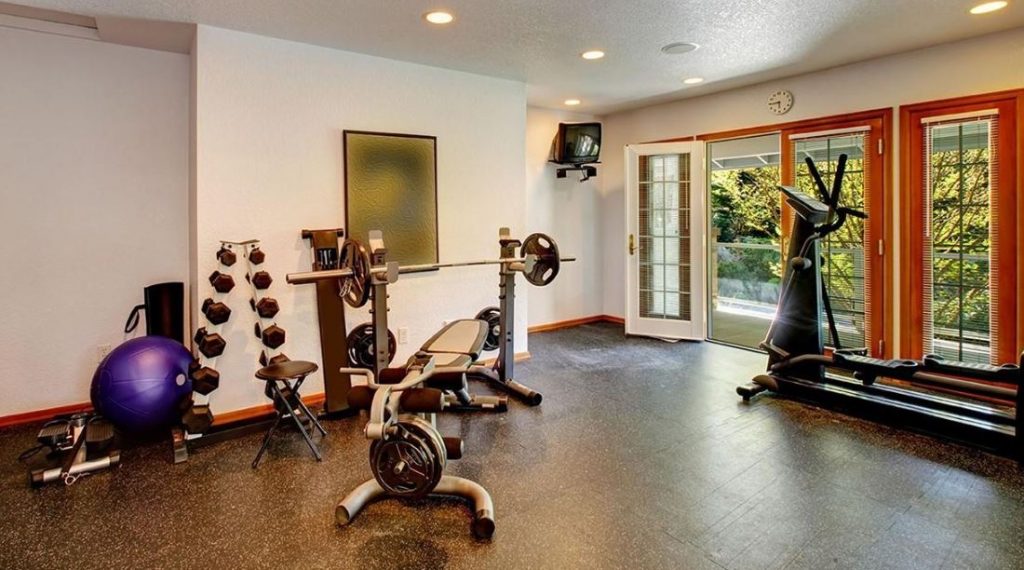
 you have in your home. Make sure you have enough space that can accommodate all the gym equipment you plan to buy. You should also make sure they are of the right quality for extended service. Having a gym in your home can benefit you in several ways. They include:
 This is common among amateurs. Privacy is something you will not enjoy in a public gym. A home gym offers some top-level privacy because nobody is watching you. You can hire a personal trainer who will take you through different workouts. You can set up a home gym to enjoy these benefits.…
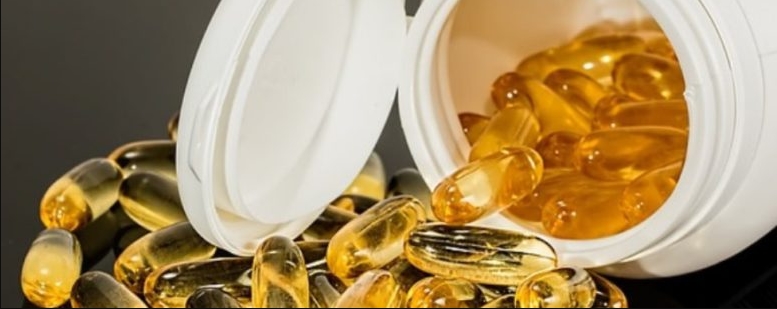
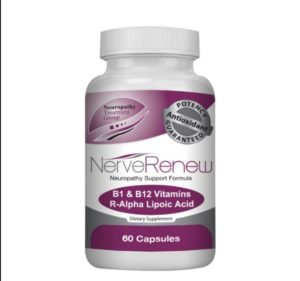

 ⦁ Natural relief from pain and anti-inflammatory properties – People are convinced that CBD has a more natural alternative to offer than other prescription and over-the-counter medications. Researches recommend that CBD, which is the non-psychoactive compound of marijuana, could provide an alternative treatment to chronic pain.




 If you want to have a toned and slim body, you should ensure that you have an exercise plan in your daily routine. If you wish to attain your health and fitness goals, you need to ensure that you follow it with your commitment. When you sit around on a desk job, this will allow you to become prone to various diseases related to overweight. Avoid such conditions by using folding bikes because they provide a low-intensity workout that will help to maintain and control a healthy weight.
 Meditation and music are individually used in the management of stress. And when used together, they should be more effective. Some kinds of music can help you reach the desired state of mind during meditation. As a result, you can gain inner peace, focus, and clarity of your thoughts.
 For Mental Well-Being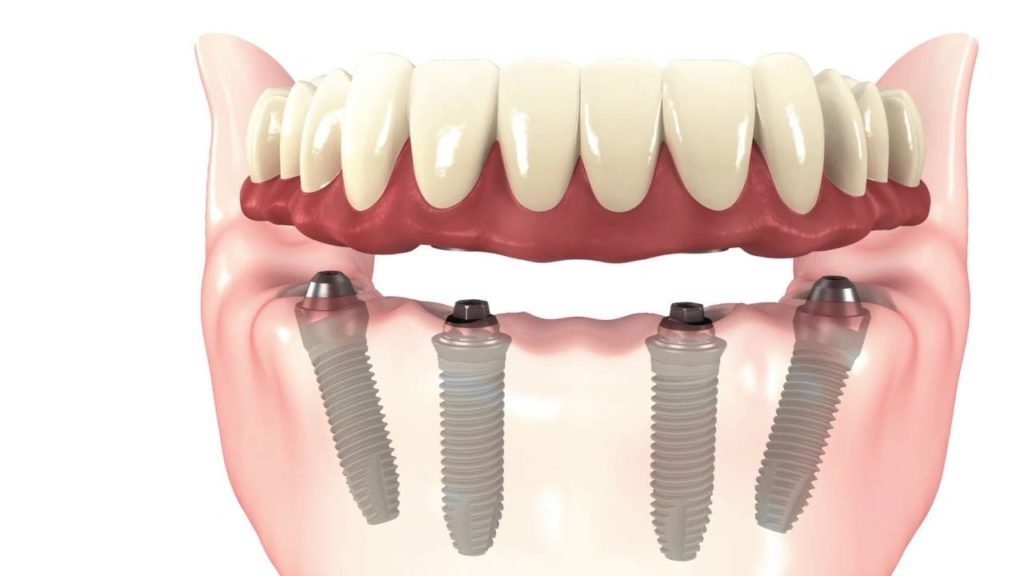



 The biggest mistake many people make is to think that joining a boxing class can help them to deal with obesity. Boxing does prevent overweight and obesity, but you have to be extra careful if you practice it to fight the condition because your heart may not be strong enough to take all of the intense physical drills.
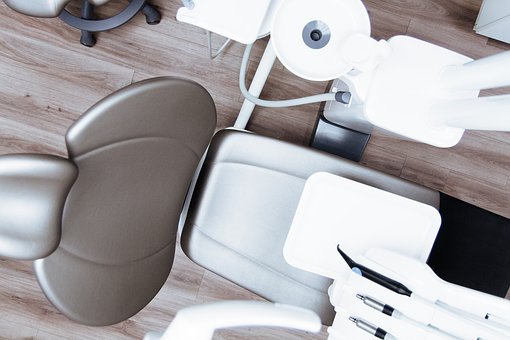 Ask the dentist about their modes of payment. If you have insurance, ensure that you choose a dentist who accepts your insurance. Some dentists will require you to pay out of pocket then you get to claim from the insurance company. Avoid such since following up on refunds with insurance companies can be cumbersome.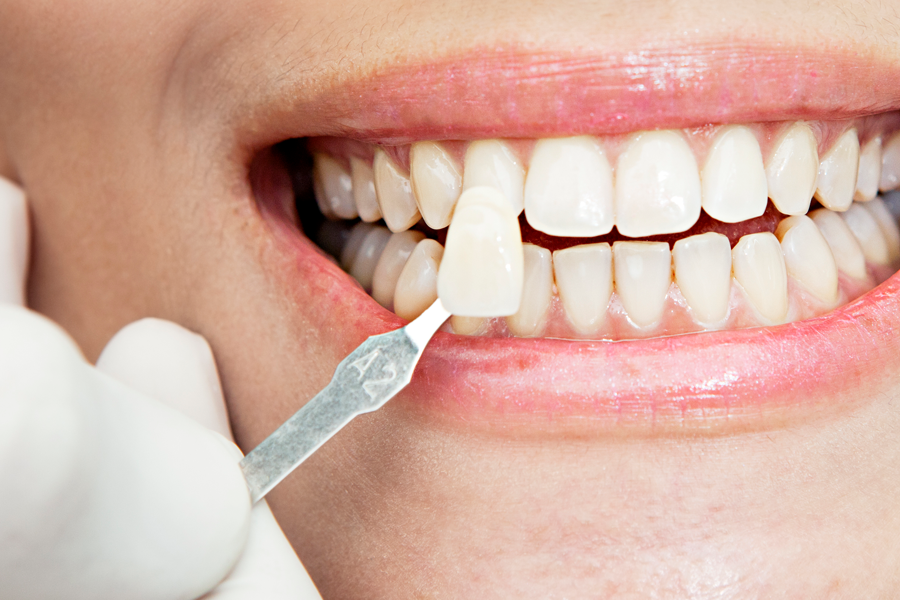



 If you have been following news about the medical cannabis, then it is likely that it rings a bell when you hear the term CBD oil. Cannabidiol or CBD is one of the chemical compounds found in a plant called cannabis. The CBD is basically the element that makes cannabis ideal for medical treatments.


 Nutrisystem helps you lose weight much faster than other diets. This is because of the Turbo 13 package which helps in maximizing your weight loss even at a few weeks of taking the diet.
 Almonds contain fiber-rich content of fruits and vegetables that help mask odor-causing bacteria from staining teeth.
 By oral hygiene, I mean interdental cleaning with floss. This will prevent bacteria from building up in your gums and teeth. You should also brush your tongue as most bacteria causing bad breath are found at the top side of the tongue.
 Strains occurs when you overstretch. This causes the muscles to tear. Strains might also be a result of sitting in the wrong posture for too long.
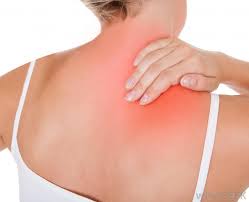 Most of the time it affects women. It is a result of the disturbance on the natural way the body manages pain. These pains are as a result of the impairment of pain-processing mechanisms. The brain might be hypersensitive and lacks the physical system to reduce pain.